
How to Build an AI Follow-Up Sequence: Never Lose a Lead Again (2026)
To build an AI follow-up sequence, map the stages of your customer journey from first contact to conversion, build multi-channel sequences (SMS, email, phone) that trigger based on lead behavior and time intervals, use AI personalization to customize messages with lead-specific details, set engagement tracking to follow up differently based on how leads respond, and create escalation rules that alert your sales team when manual intervention is needed.
Learn how to build an AI follow-up sequence that automatically contacts leads via SMS, email, and phone, personalizes messages based on behavior, and alerts.
Epiphany Dynamics is an AI automation agency: we help businesses find and fix operational bottlenecks with AI receptionists, lead follow-up, and workflow automation.
The free 30-minute AI Operations Audit is a conversation about a normal week in your business and where the work piles up. We find the one change that would give you the most time back and send you a plain-English plan for it. No forms and no pitch.
Book a free AI audit
Patrick Gibbs
To build an AI follow-up sequence, map the stages of your customer journey from first contact to conversion, build multi-channel sequences (SMS, email, phone) that trigger based on lead behavior and time intervals, use AI personalization to customize messages with lead-specific details, set engagement tracking to follow up differently based on how leads respond, and create escalation rules that alert your sales team when manual intervention is needed.
Why Most Follow-Up Fails
The reality is brutal: a large share of sales leads never get followed up at all. Of the leads that do get a follow-up, most get one generic email and are then abandoned. The businesses winning at sales are the ones who follow up systematically, persistently, and personally.
Manual follow-up fails because its inconsistent. The sales rep gets busy, forgets, or decides a lead is low priority. Automated follow-up never forgets, never gets busy, and treats every lead according to their demonstrated interest level.
Step 1: Map Your Follow-Up Stages
Every lead follows a journey. Map the stages from first contact to closed deal:
Stage 1 - New Lead: Someone just entered your funnel (form submission, phone call, website chat, referral). They need immediate acknowledgement and initial information.
Stage 2 - Educating: Theyve received your initial information and are considering. They need more details, examples, social proof, and answers to common questions.
Stage 3 - Considering: Theyve engaged with your content, visited key pages, or replied to messages. They need a targeted follow-up addressing their specific situation.
Stage 4 - Ready to Buy: Theyve shown clear purchase intent (requested a demo, visited pricing, asked specific questions). They need a sales conversation.
Stage 5 - Closed Won/Lost: They either bought or declined. Closed-won leads move to onboarding. Closed-lost leads move to a re-engagement sequence.
Step 2: Build Your Multi-Channel Sequence
Effective follow-up uses multiple channels because people respond differently. Some prefer text, others email, others a phone call.
Design a sequence that rotates through channels:
Day 0 (immediate): SMS thanking them for their interest with a link to relevant information. Email with more details about your services.
Day 1: Call attempt from a sales rep (or AI outbound call if using AI phone agent).
Day 3: Email with a Implementation Example or testimonial relevant to their industry. SMS with a question: “Have any questions I can answer?”
Day 7: Email with an offer or consultation invitation. SMS follow-up to non-openers.
Day 14: Call attempt from sales rep. Email with different angle or new information.
Day 30: Final email before moving to monthly nurture. “Were still here if you need us.”
Each contact should add value, not just “checking in.” Share information, examples, insights, or offers that help the lead make a decision.
Step 3: Add Behavior-Based Triggers
The best follow-up sequences adapt to lead behavior. Configure triggers that change the sequence based on what the lead does:
If lead opens an email: send a timely follow-up SMS referencing what they read.
If lead clicks a pricing link: move to Stage 4 and alert the sales team.
If lead replies to a message: flag the lead for immediate human follow-up.
If lead visits specific service pages: send them a Implementation Example related to that service.
If lead ignores several messages: reduce frequency and try a different channel.
If lead unsubscribes or says “not interested”: move to Stage 5 closed-lost with a later re-engagement timer if appropriate.
Step 4: Personalize with AI
Generic follow-up sequences feel robotic. AI personalization makes each message feel individual.
Use the leads: name (obvious but critical), company or industry (reference their specific situation), the source they came from (“I saw you downloaded our guide on HVAC automation”), previous interactions (“You mentioned you were interested in AI phone answering”), and behavior on your website (“Noticed you checked out our pricing page”).
AI can draft personalized versions of each message in your sequence, pulling from your CRM data to make every message feel unique. You review the templates once, and the AI fills in the personalization for each lead.
Step 5: Set Escalation Rules for Sales Team
The goal of automated follow-up is to handle as much as possible without human involvement while escalating to sales at the right moment.
Set escalation rules: lead replies to any message with a question — immediately notify sales rep via SMS, lead requests a demo or consultation — book it automatically and notify sales, lead visits pricing page repeatedly — flag as hot lead for immediate call, lead score crosses your priority threshold — notify the right sales rep for priority follow-up, lead clicks “call me” or requests phone contact — trigger AI outbound call or human callback.
Frequently Asked Questions
How often should I follow up with a lead before giving up? Most sales take repeated follow-up attempts to close, and most salespeople give up after just a couple. Design your sequence so each touch adds value, then move quiet leads into a lower-frequency nurture track instead of hammering them forever.
What is the best channel for follow-up? Use the channel that matches the message. SMS is best for short, timely prompts. Email is better for detailed information. Phone calls work best when the lead has shown enough intent to justify a live conversation. Use all three in rotation when the lead’s behavior supports it.
Can AI write follow-up messages that dont sound automated? Yes, if you invest in good templates and personalization. Use the leads name, reference specific details about their situation, and write in your brand voice. Have a human review the template set before activating.
How do I know if my sequences are working? Track: response rate (percentage of leads who reply), click-through rate (percentage who click links), conversion rate (percentage who become customers), and opt-out rate (percentage who unsubscribe). Compare these to industry benchmarks and optimize accordingly.
What tools do I need to build AI follow-up sequences? A CRM to store lead data and track interactions. An email marketing platform (Mailchimp, ActiveCampaign, ConvertKit). An SMS platform (Twilio, TextMagic, SimpleTexting). And an automation connector (n8n, Make.com, Zapier) to tie everything together.
Build Your AI Follow-Up Sequence
Every lead that falls through the cracks is revenue you earned but didnt collect. Automated follow-up ensures every lead gets the attention they deserve, when they deserve it.
Start by building a short sequence for your highest-volume lead source. Add behavior-based triggers once the basic sequence is reliable. Expand to multi-channel after the first source is working cleanly. Our follow-up automation guide has templates and setup instructions for popular tools.
Book a free automation audit to see how many leads your business is losing to inconsistent follow-up.
Patrick Gibbs
AI Automation Expert
Patrick Gibbs helps professional practices implement AI automation that captures more leads, books more appointments, and scales without adding overhead. He's the founder of Epiphany Dynamics and creator of the AI Front Desk system.
Related Solutions
Build this into a real workflow
Related Posts
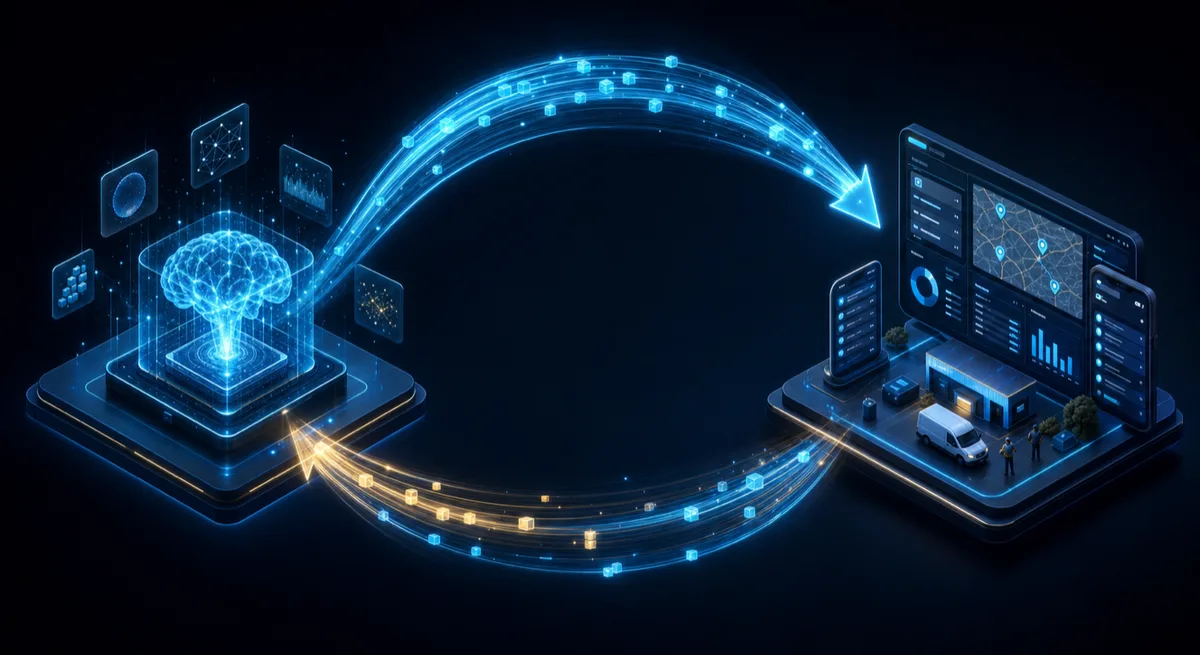
What Two-Way Sync Between AI and ServiceTitan Looks Like in Practice
Two-way sync between AI and ServiceTitan means data flows both directions: the AI reads live job and customer data from ServiceTitan, and writes new bookings.
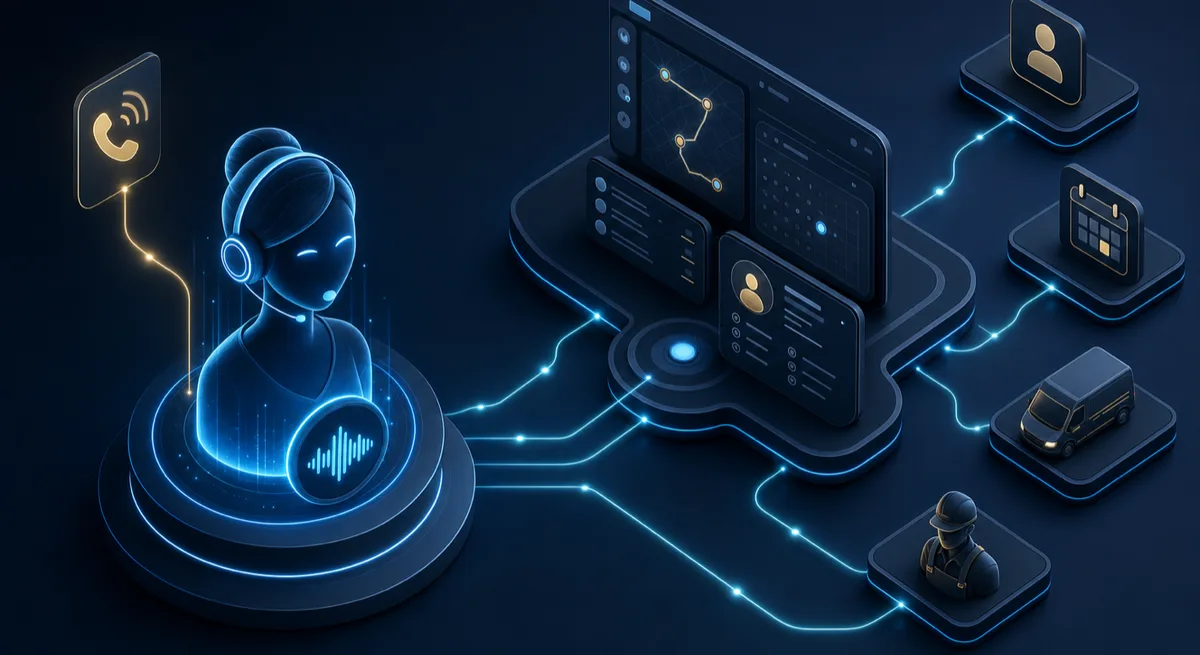
AI Receptionist for ServiceTitan: How the Integration Actually Works
A plain-English guide to connecting an AI receptionist to ServiceTitan through its API, what gets automated, and what your account needs first.
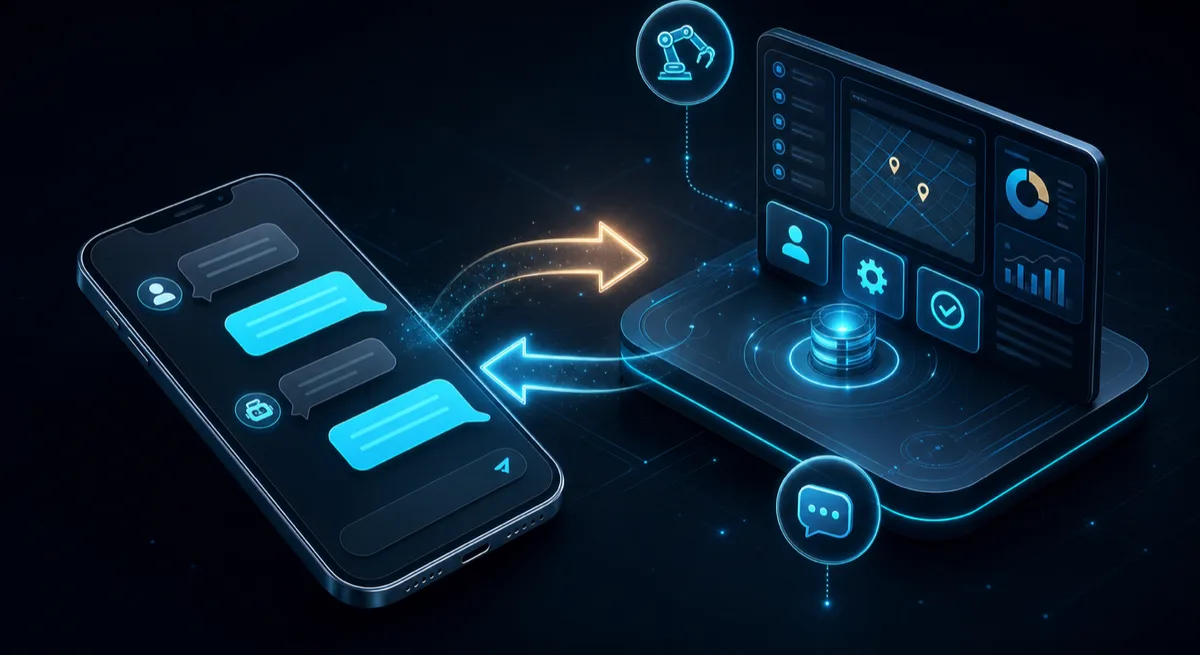
AI Texting That Works With ServiceTitan: Two-Way SMS Without the Busywork
How AI texting connects to ServiceTitan to answer customer texts, book jobs, and log every conversation back to the customer record automatically.