
Best AI Tools for Physical Therapy Practices in 2026
The best AI tools for physical therapy practices in 2026 automate appointment booking, patient reminders, insurance eligibility checks, and home exercise program delivery. Top picks include Epiphany Dynamics for AI voice reception, WebPT for practice management automation, and HEP2Go for digital home exercise programs.
Compare the best AI tools for physical therapy clinics: scheduling, reminders, insurance checks, and home exercise programs. See what fits a real PT practice.
Epiphany Dynamics is an AI automation agency: we help businesses find and fix operational bottlenecks with AI receptionists, lead follow-up, and workflow automation.
The free 30-minute AI Operations Audit is a conversation about a normal week in your business and where the work piles up. We find the one change that would give you the most time back and send you a plain-English plan for it. No forms and no pitch.
Book a free AI audit
Patrick Gibbs
The best AI tools for physical therapy practices in 2026 automate appointment booking, patient reminders, insurance eligibility checks, and home exercise program delivery. Top picks include Epiphany Dynamics for AI voice reception, WebPT for practice management automation, and HEP2Go for digital home exercise programs. PT practices use these tools to reduce repetitive front desk work and keep patients engaged between visits.
Eligibility Automations for Physical Therapy
Eligibility automation for physical therapy helps a practice collect intake and insurance details, verify available benefits through supported payer connections, track prior-authorization requirements, check administrative claim readiness, and route exceptions to staff before a visit or claim moves forward. It does not replace clinical judgment, coding decisions, payer-policy interpretation, or final billing review.
A practical workflow starts by collecting the referral, patient demographics, insurance details, and any authorization information from intake. It can then request benefit and eligibility information from the payer connection your practice supports, record the returned details in the practice workflow, and flag missing data, coverage changes, authorization questions, or visit-limit concerns for staff review. Before a claim moves forward, it can check that required administrative fields and documented workflow steps are present; billing staff remain responsible for coding, payer-specific requirements, and the final claim decision.
Exception routing is the part that keeps automation useful instead of risky. A failed eligibility response, unclear benefit, missing referral, authorization issue, or claim-readiness gap should create a clear handoff to the front desk, billing team, or authorized reviewer with the information they need to resolve it. The workflow should never guess at coverage, tell a patient what care is appropriate, or silently pass an unresolved item through. For the detailed workflow, see our guide to insurance eligibility automation for physical therapy.
Why Physical Therapy Practices Need AI Tools
Physical therapy practices face a unique operational challenge: repeated visits per patient, complex insurance verification requirements, and the need to deliver and track home exercise programs between appointments. A plan of care is rarely a single visit: it is a course of many visits, so scheduling, rescheduling, reminders, re-authorization, and home exercise touchpoints compound across weeks of treatment. Every routine task that can be automated can remove administrative load from each one of those visits.
The front desk in most PT practices spends much of the day on scheduling, rescheduling, insurance questions, and appointment reminders. Because patients return again and again, any inefficiency in those routines is repeated at every visit rather than absorbed once. With insurance reimbursement rates under pressure, every front desk hour that can be redirected from administrative work to patient care matters. Practices that automate their front desk operations should measure collection rate, denial rate, and administrative workload before and after rollout.
Home exercise program compliance is another area where AI tools can help. Physical therapy outcomes are heavily dependent on patients completing their prescribed exercises between visits, and most programs stretch across multiple weeks of care. When patients fall behind, AI-powered platforms can send automated reminders, track completion, and surface feedback for the therapist to review, so compliance issues can surface between visits instead of at the next appointment.
How We Evaluated the Best AI Tools for Physical Therapy
We evaluated each tool on criteria covering appointment automation, patient communication, insurance handling, practice management integration, and home program delivery. The best-fitting tools match real PT workflows rather than forcing clinics into generic medical-office automation.
Evaluation Criteria
- Appointment Booking - Does the tool handle inbound calls for scheduling, rescheduling, and cancellations autonomously
- Patient Reminders - Multi-channel reminders (voice, SMS, email) with confirmation and waitlist management
- Insurance Verification - Automated eligibility checks, authorization tracking, and benefit verification
- Home Exercise Programs - Digital delivery, tracking, and automated compliance reminders
- Practice Management - Integration with WebPT, Clinicea, or other PT-specific EMR/PMS
- Voice Capability - AI phone reception that handles PT-specific scheduling and FAQ scenarios
- HIPAA Compliance - BAA availability, encrypted data handling, and secure patient communication
- Progress Tracking - Automated outcomes collection and patient-reported measure gathering
- Pricing Model - Monthly fees without per-patient or per-message surcharges
- Setup Complexity - Configuration work required before live deployment
- Value Case - Practical path to reducing no-shows, phone work, and preventable denials
- User Reviews - PT-specific testimonials and aggregate satisfaction data
Best AI Tools for Physical Therapy Practices Quick Reference
Best for AI Phone Reception and Scheduling
Epiphany Dynamics AI Voice Receptionist handles inbound calls for scheduling, rescheduling, insurance questions, and clinic information. It integrates with WebPT and other PT practice management systems to book appointments directly, routing routine phone work away from the front desk. For PT practices the impact can show up in front desk phone volume: visit-time questions, copay questions, and cancellations can be handled without staff involvement, and a reschedule can land back on the calendar for a later visit in the same plan of care.
Best for Practice Management and EMR Automation
WebPT is the leading EMR and practice management platform for physical therapy. Its automation features include appointment reminders, insurance verification, billing, and patient self-scheduling. Those features fit a PT visit cadence: patients can book follow-up visits before they leave the clinic, and automated reminders can reduce the no-shows that interrupt a treatment plan. Practices using the full WebPT suite should track the administrative tasks it removes and where staff capacity opens up.
Best for Home Exercise Program Delivery
HEP2Go and MedBridge provide digital home exercise programs with video demonstrations, automated reminders, and patient progress tracking. These platforms support compliance while reducing the manual work therapists spend creating and explaining custom programs. Because progress is recorded between visits, the therapist can see which patients are keeping up with their programs before the next appointment, so follow-up sessions can target the exercises that are actually lagging.
Best for Insurance Verification and Authorization
Automated insurance verification tools check eligibility and benefits before the patient arrives, reducing claim denials and front desk time spent on the phone with payers. For PT the workflow value can grow with plan-of-care length: the more visits a course of care includes, the more re-authorization and benefit checks the front desk would otherwise handle by phone. The value case depends on your current denial rate, payer mix, and the amount of staff time spent on manual eligibility checks.
Read next: Best AI Tools for Financial Advisors in 2026.
How to Choose the Right AI Tools for Your Physical Therapy Practice
Start with appointment booking and patient reminders because those sit closest to patient attendance and schedule utilization. Add AI voice reception next to capture calls that go to voicemail. Home exercise program automation can follow once the core patient flow is stable.
Budget depends on visit volume, number of locations, insurance verification needs, voice-call coverage, and practice management integration depth. A solo clinic with one front desk person has a different threshold: automating after-hours calls or reminder follow-up can free that person for check-in and patient questions during the day, which may matter more than a second phone line ever would. A multi-location group should compare each tool against cross-location staff time, call coverage, and denial-prevention needs, because a workflow that works at one site has to hold up across every site's patient volume and payer mix.
Integration with your existing EMR is critical. Most AI scheduling and voice tools integrate with WebPT, and the major practice management platforms have APIs that support custom integrations if needed. Confirm the integration path before you commit: a tool that requires manual double-entry between systems can quietly recreate the administrative work it was meant to remove. HIPAA compliance with BAA is mandatory for any tool handling patient data.
Frequently Asked Questions
Can AI tools for physical therapy handle insurance verification?
Yes, automated insurance verification tools check eligibility and benefits in real-time by connecting to payer portals. This eliminates the need for front desk staff to call insurance companies for basic eligibility checks.
How much do PT practices save with AI tools?
Savings depend on visit volume, reimbursement rates, no-show rate, denial rate, and how much routine scheduling or insurance work the tools actually absorb. Measure those baselines before rollout so the value case is tied to your own practice instead of a vendor estimate.
Are AI home exercise programs effective?
Yes, when they are configured around the therapist's care plan. Digital HEP platforms with automated reminders support patient compliance, and therapists can spend less time printing and explaining paper exercise handouts.
Do AI scheduling tools work with WebPT?
Most AI scheduling and voice tools integrate with WebPT's API for appointment booking, patient lookup, and insurance data. Always verify the specific integration capabilities before purchasing.
Can AI scheduling tools reduce no-shows in a PT practice?
Yes, when reminders actually reach patients through the channels they use. Automated voice, SMS, and email reminders can confirm upcoming visits and surface cancellations early enough to refill the slot. The effect depends on your practice's baseline no-show rate, so measure it before rollout and compare it after a full visit cycle.
Can AI tools track home exercise program compliance?
Yes. Digital HEP platforms record when patients open programs, watch exercise videos, and log completed sessions, and they can send automated nudges when a patient falls behind. That data can give the therapist a between-visit view of compliance instead of waiting for the next appointment. Whether the nudges improve outcomes depends on how each patient responds, so review the compliance reports as part of the care plan.
If insurance verification is your biggest front desk bottleneck, see our focused guide to insurance eligibility automation for physical therapy. For broader tool selection, see our AI receptionist evaluation guide and our physical therapy clinic automation page. To discuss your PT practice's specific needs, book a consultation.
Patrick Gibbs
AI Automation Expert
Patrick Gibbs helps professional practices implement AI automation that captures more leads, books more appointments, and scales without adding overhead. He's the founder of Epiphany Dynamics and creator of the AI Front Desk system.
Related Solutions
Build this into a real workflow
Related Posts
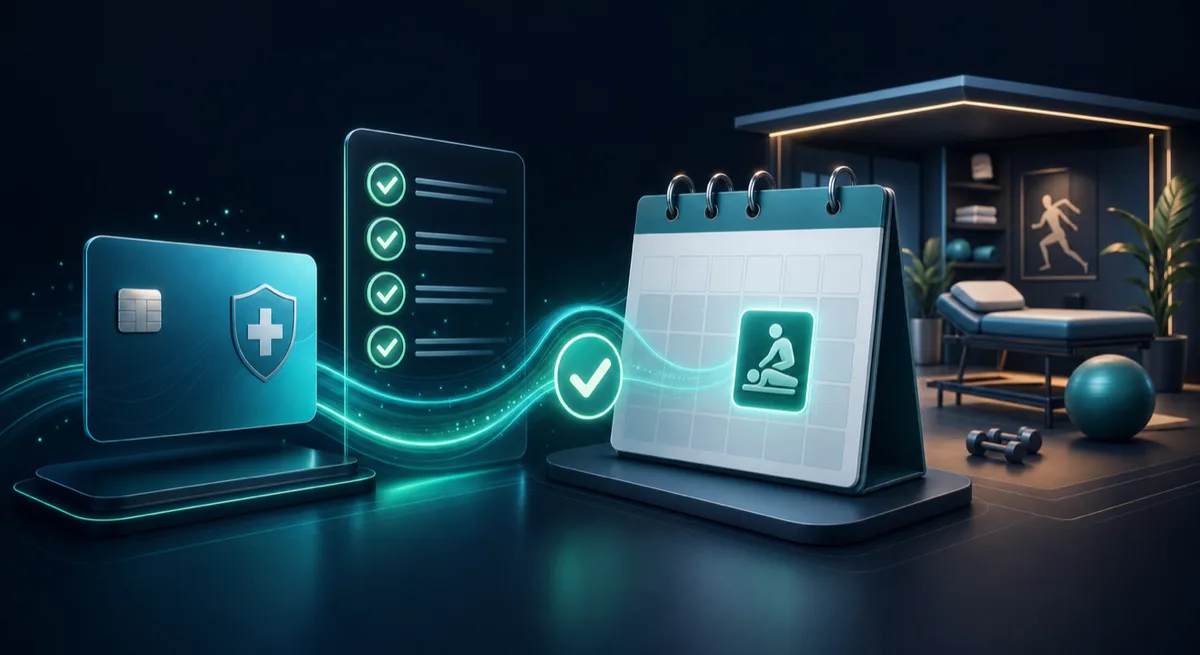
Insurance Eligibility Automation for Physical Therapy Clinics
Eligibility automation for physical therapy clinics verifies benefits before the patient arrives, cuts front desk phone work, and can lower claim denial risk.
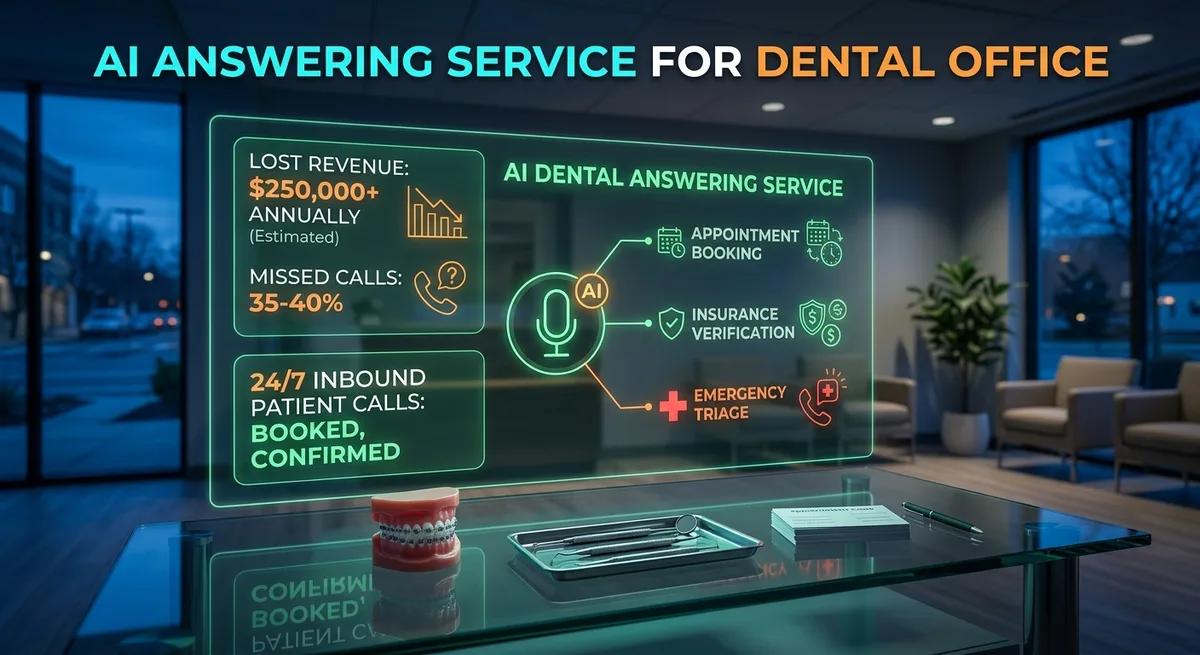
AI Answering Service for Dental Office: Cost, Setup, and ROI in 2026
Dental offices miss valuable inbound calls when the front desk is busy. An AI answering service can book appointments 24/7.

AI Receptionist for Chiropractors: What It Handles and How to Evaluate It
Chiropractic practices miss valuable calls when the front desk is busy. AI receptionists help cover overflow, after-hours scheduling, intake, and recall.