
Insurance Eligibility Automation for Physical Therapy Clinics
Eligibility automation for physical therapy clinics verifies a patient's insurance benefits before the appointment, so your front desk is not on hold with payers between visits. It checks active coverage, authorization rules, visit limits, copays, deductibles, and referral requirements ahead of time, then flags anything that needs a human to look closer.
Eligibility automation for physical therapy clinics verifies benefits before the patient arrives, cuts front desk phone work, and can lower claim denial risk.
Epiphany Dynamics is an AI automation agency: we help businesses find and fix operational bottlenecks with AI receptionists, lead follow-up, and workflow automation.
The free 30-minute AI Operations Audit is a conversation about a normal week in your business and where the work piles up. We find the one change that would give you the most time back and send you a plain-English plan for it. No forms and no pitch.
Book a free AI audit
Patrick Gibbs
Eligibility automation for physical therapy clinics verifies a patient's insurance benefits before the appointment, so your front desk is not on hold with payers between visits. It checks active coverage, authorization rules, visit limits, copays, deductibles, and referral requirements ahead of time, then flags anything that needs a human to look closer. The result is fewer surprise balances, lower denial risk, and a front desk that spends its time on patients instead of payer portals.
Physical therapy is one of the hardest specialties to verify coverage for, because a single patient runs through many visits, and the rules can change partway through a plan of care. This page explains what eligibility automation for physical therapy actually does, what it checks, where it connects, and what should stay under human review.
What Eligibility Automation for Physical Therapy Clinics Actually Does
Eligibility automation is a workflow that confirms a patient's benefits before they walk in, without a staff member calling the insurer or logging into a payer portal for every appointment. Instead of a person reading a benefits screen and retyping the details, the workflow gathers the same information, records it in a consistent format, and surfaces the cases that need attention.
For a physical therapy clinic, that means the answers to the questions your front desk asks on every new referral and every plan-of-care renewal: is the policy active on the date of service, does this plan cover outpatient therapy, how many visits are authorized, how many are already used, what is the copay, has the deductible been met, and is a referral or prior authorization on file. Automation does not replace your billing judgment. It removes the repetitive lookups so your team can focus on the cases that are genuinely complicated.
Why Eligibility Is Uniquely Painful in Physical Therapy
Most specialties verify benefits once and bill a handful of times. Physical therapy does the opposite. A typical plan of care spans many visits over several weeks, and each of those visits has to fall inside an active authorization with visits remaining. A few realities make this harder than it looks:
- Visit limits and authorizations expire mid-treatment. A plan may authorize a set number of visits or a date window. If the clinic does not track the remaining balance, visits past the limit get denied after the work is already done.
- Referral and authorization rules vary by payer and plan. One plan needs a physician referral on file, another needs prior authorization before visit one, and a third re-evaluates after an initial block of visits.
- Front desk volume is high. Scheduling, rescheduling, and benefit questions compete for the same staff time, so eligibility checks get rushed or skipped during busy hours.
- Denials surface late. An eligibility error made at intake often does not show up until the claim comes back weeks later, when fixing it is slower and the patient relationship is already strained.
Because eligibility errors in PT compound across an entire plan of care, catching them before the first visit is worth far more than catching them at billing.
What the Automated Workflow Checks
A well-built eligibility workflow for a physical therapy clinic confirms the items that actually drive denials and patient billing surprises:
- Active coverage on the scheduled date of service, including the correct payer and plan.
- Outpatient therapy benefits and whether physical therapy is a covered service under the plan.
- Authorization status, including whether prior authorization is required and whether it is on file.
- Visit limits, including how many visits are authorized and how many remain.
- Referral requirements, including whether a physician referral is needed and present.
- Patient cost share, including copay, coinsurance, and remaining deductible.
- Plan-of-care timing, including authorization end dates and re-evaluation triggers.
The workflow records these results in a consistent place, so the front desk sees the same fields on every patient instead of a different screenshot from a different portal each time.
Manual Eligibility Workflow vs Automated Workflow
The difference is less about speed on a single check and more about what happens across hundreds of visits a week.
| Step | Manual workflow | Automated workflow |
|---|---|---|
| Trigger | Staff member remembers to check before the visit | New appointment or referral starts the check automatically |
| Lookup | Log into each payer portal or call the insurer | Pull benefits through available payer connections, fall back to a flagged task where none exists |
| Recording | Notes typed into the chart or a sticky note | Standard fields written back to the practice management system or a shared sheet |
| Visit limits | Tracked by memory or a spreadsheet that drifts | Remaining visits tracked against the authorization on every appointment |
| Exceptions | Easy to miss during busy hours | Anything unclear is routed to a person to review |
| Denial risk | Errors surface weeks later at billing | More coverage problems are caught before the first visit |
Example Workflow From Intake to Verified Appointment
Here is what a realistic eligibility automation looks like for a physical therapy clinic, from the referral arriving to a visit that is ready to bill:
- Intake. A referral or new appointment is created in your scheduling or practice management system, which starts the check.
- Verification. The workflow gathers active coverage, therapy benefits, authorization status, visit limits, referral status, and patient cost share from the connections that are available for that payer.
- Standardized record. The results are written back in a consistent format, so the front desk reads the same fields every time.
- Exception routing. Anything the workflow cannot confirm, or anything that looks off, becomes a task for a staff member to review rather than a silent gap.
- Front desk confirmation. Staff confirm copay and any remaining steps with the patient, with the verified details already in front of them.
- Ongoing tracking. As the plan of care continues, remaining visits and authorization end dates are tracked so a renewal is requested before coverage runs out.
Systems It Can Connect To
Eligibility automation is most useful when it fits the tools your clinic already runs. Depending on what your stack supports, a workflow can connect to:
- Practice management and EMR systems such as WebPT, Jane, Clinicient, and Prompt EMR, where the patient, scheduling, and benefit data already live.
- Spreadsheets and email such as Google Sheets and your shared inbox, for clinics that are not ready to change their core system.
- Payer portals and clearinghouses where electronic eligibility data is available.
Where a payer exposes eligibility data through a supported connection, the workflow can read it directly. Where a payer portal has no available connection, the workflow does not pretend to have access it does not have. It instead creates a clear task so a staff member can complete that one check by hand, while every other payer stays automated. The goal is to automate what can be automated reliably and to be honest about the rest.
What Should Stay Human-Reviewed
Automation should handle the repetitive lookups, not the judgment calls. These belong with your team:
- Coverage results that conflict or look inconsistent between sources.
- Authorization or referral gaps that need a call to the payer or the referring provider.
- Plan-of-care decisions and anything that affects clinical care.
- Patient conversations about cost, coverage, and out-of-pocket responsibility.
A good workflow makes these cases easier to handle by surfacing them early with the supporting details attached, instead of leaving them buried until a denial arrives.
Get a PT Eligibility Automation Map. We will map your current eligibility workflow and show which steps can be automated without changing your practice management system. Get a PT Eligibility Automation Map.
Implementation Timeline
The realistic path to a working eligibility workflow is incremental, not a rip-and-replace project:
- Map the current workflow. Document how your front desk verifies benefits today, payer by payer, and where the time goes.
- Start with the highest-volume payers. Automate the checks that happen most often and cause the most rework first.
- Connect to your systems. Wire the workflow into your practice management system or a shared sheet so results land where staff already look.
- Add exception handling. Define what gets routed to a person and make sure nothing fails silently.
- Expand coverage. Bring in more payers and the ongoing visit-limit tracking once the core flow is stable.
Most clinics see value first from the highest-volume payers, then widen coverage from there. The point is to remove repetitive work in stages while keeping a person in the loop on anything that is unclear.
Data, Privacy, and HIPAA
Eligibility automation handles protected health information, so it has to be built with the same care as any system that touches patient data. That means a signed business associate agreement with any vendor that processes patient data, encrypted handling of that data in transit and at rest, access limited to the people and systems that need it, and a clear record of what the workflow checked and when. If a tool cannot support a business associate agreement, it should not be touching eligibility data for your clinic. Treat HIPAA alignment as a requirement, not an afterthought, and confirm the specifics with your own compliance and legal advisors before going live.
Frequently Asked Questions
What is eligibility automation for physical therapy?
It is a workflow that verifies a patient's insurance benefits before a physical therapy visit, including active coverage, authorization status, visit limits, referral requirements, and patient cost share, then routes anything unclear to a staff member. It removes repetitive payer lookups while keeping a person in control of the judgment calls.
Does it replace my front desk staff?
No. It removes the repetitive verification work so your front desk can spend more time with patients and on the cases that genuinely need a human. People still confirm exceptions, talk to patients about cost, and handle anything that affects care.
Will it work with WebPT, Jane, Clinicient, or Prompt EMR?
A workflow can connect to common physical therapy practice management and EMR systems where those systems support it, and it can fall back to a shared sheet or your inbox where they do not. The right approach depends on what your specific stack exposes, which is exactly what a workflow map sorts out before any build.
What happens when a payer portal has no connection?
The workflow does not claim access it does not have. For payers without an available electronic connection, it creates a clear task so a staff member completes that one check manually, while every other payer stays automated.
Does eligibility automation reduce claim denials?
Catching coverage, authorization, and visit-limit problems before the first visit means fewer claims are submitted against inactive coverage or exhausted authorizations. The exact impact depends on your payer mix and current process, which is why the first step is mapping your workflow rather than promising a number.
If you want to see how this fits alongside the rest of your stack, our guide to the best AI tools for physical therapy covers scheduling, reminders, and home program delivery, and our automation for physical therapy clinics page shows where eligibility fits in the bigger picture. You can also see the broader range of custom automation services we build.
Ready to stop chasing payer portals before every visit? We will map your current eligibility workflow and show which steps can be automated without changing your practice management system. Get a PT Eligibility Automation Map.
Patrick Gibbs
AI Automation Expert
Patrick Gibbs helps professional practices implement AI automation that captures more leads, books more appointments, and scales without adding overhead. He's the founder of Epiphany Dynamics and creator of the AI Front Desk system.
Related Solutions
Build this into a real workflow
Related Posts
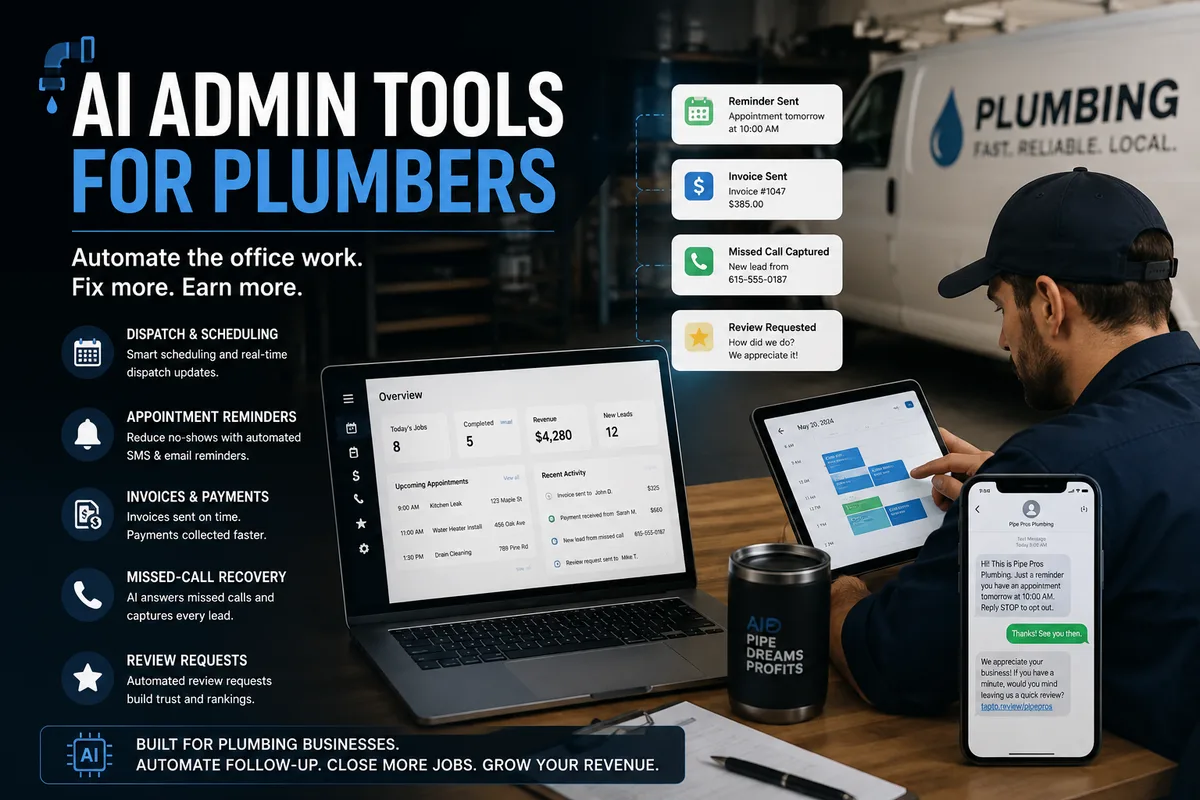
AI Admin Tools for Plumbers: What They Are and How to Choose
AI admin tools automate dispatch, reminders, invoicing follow-up, missed calls, and review requests for plumbers. What they do and how to choose.
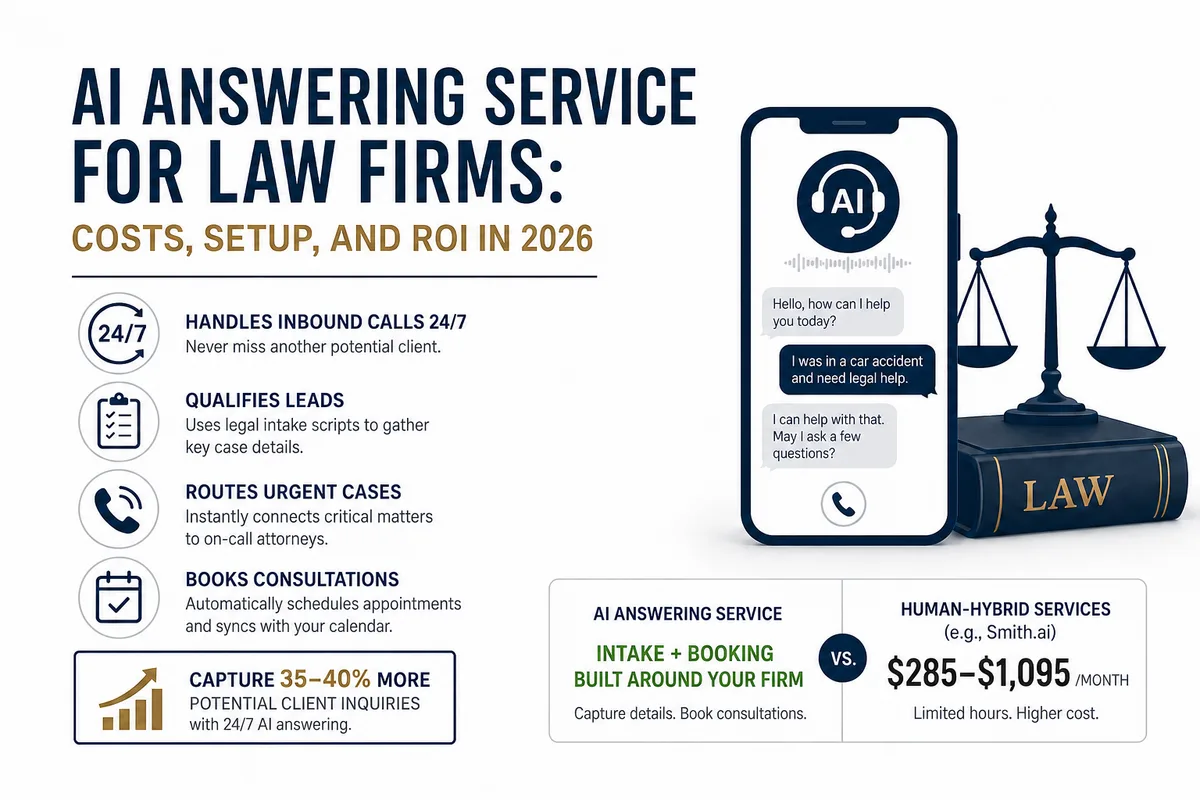
AI Answering Service for Law Firms: Costs, Setup, and ROI in 2026
Law firms miss a large share of inbound calls, most of them after hours. Here's what an AI answering service actually does, what it costs versus human.
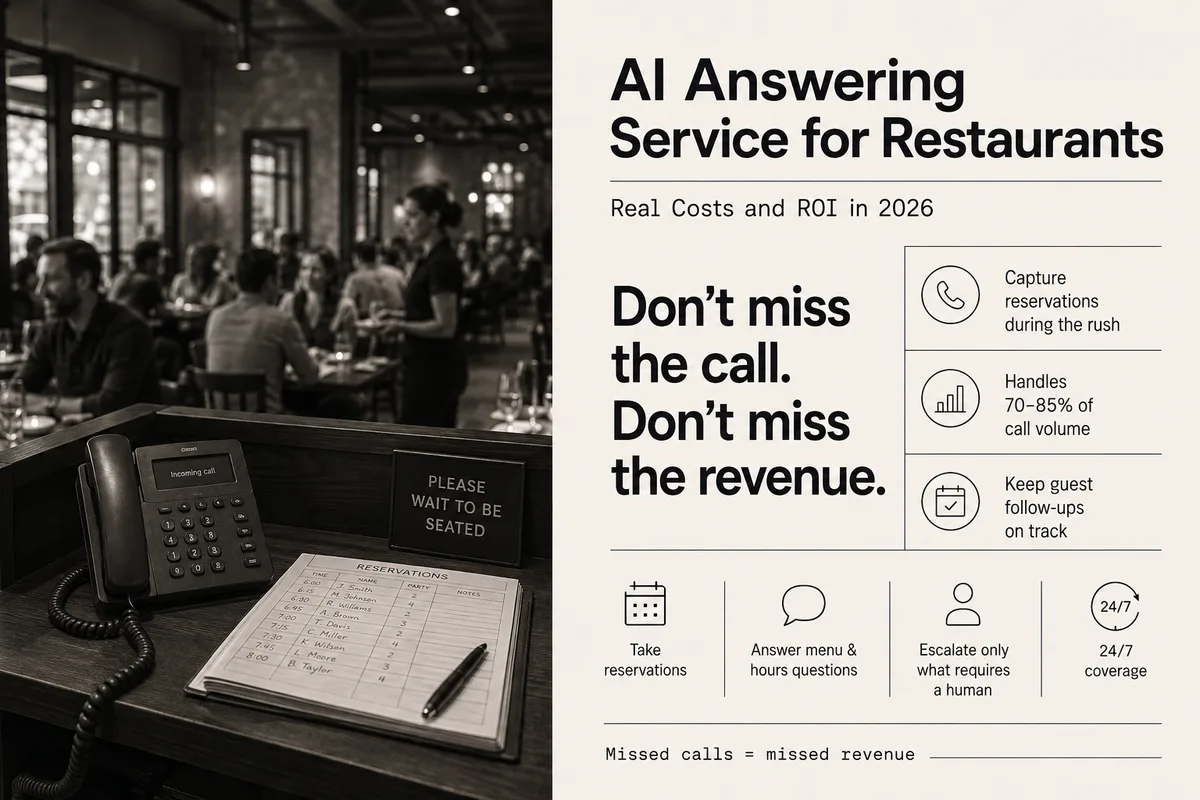
AI Answering Service for Restaurants: What to Compare in 2026
Restaurants miss calls during peak hours. An AI answering service can handle reservations, menu questions, and callbacks when staff are busy.